
For a Free Consultation
Call 847-796-8448


Do LED Headlights Cause More Car Accidents?
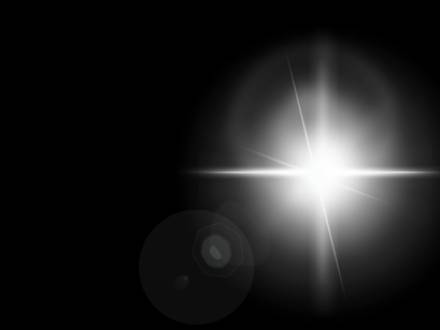 If you have ever been blinded by the bright white glare of oncoming headlights, you’re in good company. Modern LED and high-intensity headlights are much brighter than the older halogen bulbs most drivers grew up with.
The debate over whether they are making roads more dangerous is growing louder in 2026. If you were hurt in a car crash with poor visibility, a McHenry County car accident attorney can help you explore your legal options.
Are LED Headlights Dangerous to Other Drivers?
The answer isn’t perfectly clear-cut. LED headlights produce a bright, bluish-white light that is more intense and focused than traditional halogen bulbs. Manufacturers and safety advocates point out that LEDs help drivers see farther down the road, which, they say, reduces accidents. The problem is what this focused light does to other drivers.
Multiple studies and driver surveys have raised concerns about the intensity of modern headlights. The AAA Foundation for Traffic Safety has found that a significant number of drivers report being blinded or seriously bothered by oncoming headlights on a regular basis.
Glare impairs your ability to see pedestrians, cyclists, road debris, and other hazards. Recovery time after bright glare can stretch several seconds. At highway speeds, this means traveling hundreds of feet without being able to see clearly.
Older drivers, people with certain eye conditions, people who have had serious concussions, and anyone driving on winding two-lane roads are more vulnerable to this temporary blindness or light sensitivity. If you are in a low-riding car like a sedan, you are also more likely to be directly in the beam of taller, larger cars, like trucks.
Can Headlight Glare Be a Factor in an Illinois Car Accident Claim?
Headlight glare can indeed be a factor in car accident claims. Illinois law requires drivers to operate their vehicles in a reasonably safe manner. Not only that, but there are federal safety standards for lighting equipment under Federal Motor Vehicle Safety Standard (FMVSS) No. 108 that all vehicles must meet. A driver whose headlights are improperly modified or out of compliance with state or federal standards may bear responsibility if that contributed to a crash.
Aftermarket LED kits, in particular, can be problematic when it comes to glare. The LED headlights that come with a car are generally tuned to reduce glare for oncoming traffic, or at least to have "beam cutoffs" that prevent the light from shining upward into other drivers’ eyes. Bulbs that drivers install themselves are more likely to be out of compliance with federal standards for things like brightness and alignment.
What Do I Need to Show That Headlight Glare Contributed to My Car Accident?
To prove that glare from another driver’s headlights led to your accident, you’ll need to show:
- The at-fault driver's headlights were non-compliant, improperly aimed, or excessively bright
- The glare those headlights created affected visibility at the time of the crash
- That impaired visibility was a contributing factor in the accident and your injuries
Evidence like witness statements, photos or videos, security footage, vehicle inspection records, and accident reconstruction can all help build your argument. An attorney who knows Illinois personal injury law can help you gather and present evidence effectively.
Do I Need the Information of the Driver Whose Headlights Blinded Me?
Just as with other accidents, you should get the other driver’s contact and driver’s license information if possible. In cases where the other person drives off during or after the accident, witness statements and camera footage become especially helpful.
Call a Lake Zurich Car Accident Attorney Today
If you’re wondering how you can get compensation for a crash caused by excessively bright headlights, contact a McHenry County car accident lawyer. At Salvi Law, Inc., our father and daughter legal team brings over 25 years of combined personal injury experience to every case we take. We are local to Illinois. We know Illinois roads and the laws that govern them, and we’re ready to fight for the compensation you deserve. Call 847-796-8448 today to schedule your free consultation.





With a Passion for Law and a Taste for Justice, We Possess a Rare Combination
We proudly serve the citizens of Lake County, Cook County, and Lake Zurich. Call us at 847-796-8448 so we can get to work for you.
 The use of the Internet or this form for communication with the firm or any individual member of the firm does not establish an attorney-client relationship. Confidential or time-sensitive information should not be sent through this form.
I have read and understand the Disclaimer and Privacy Policy.
Results listed are not a guarantee or indication of future case results.
335 Chancery Lane, Suite 1A, Lake Zurich, IL 60047
847-796-8448